
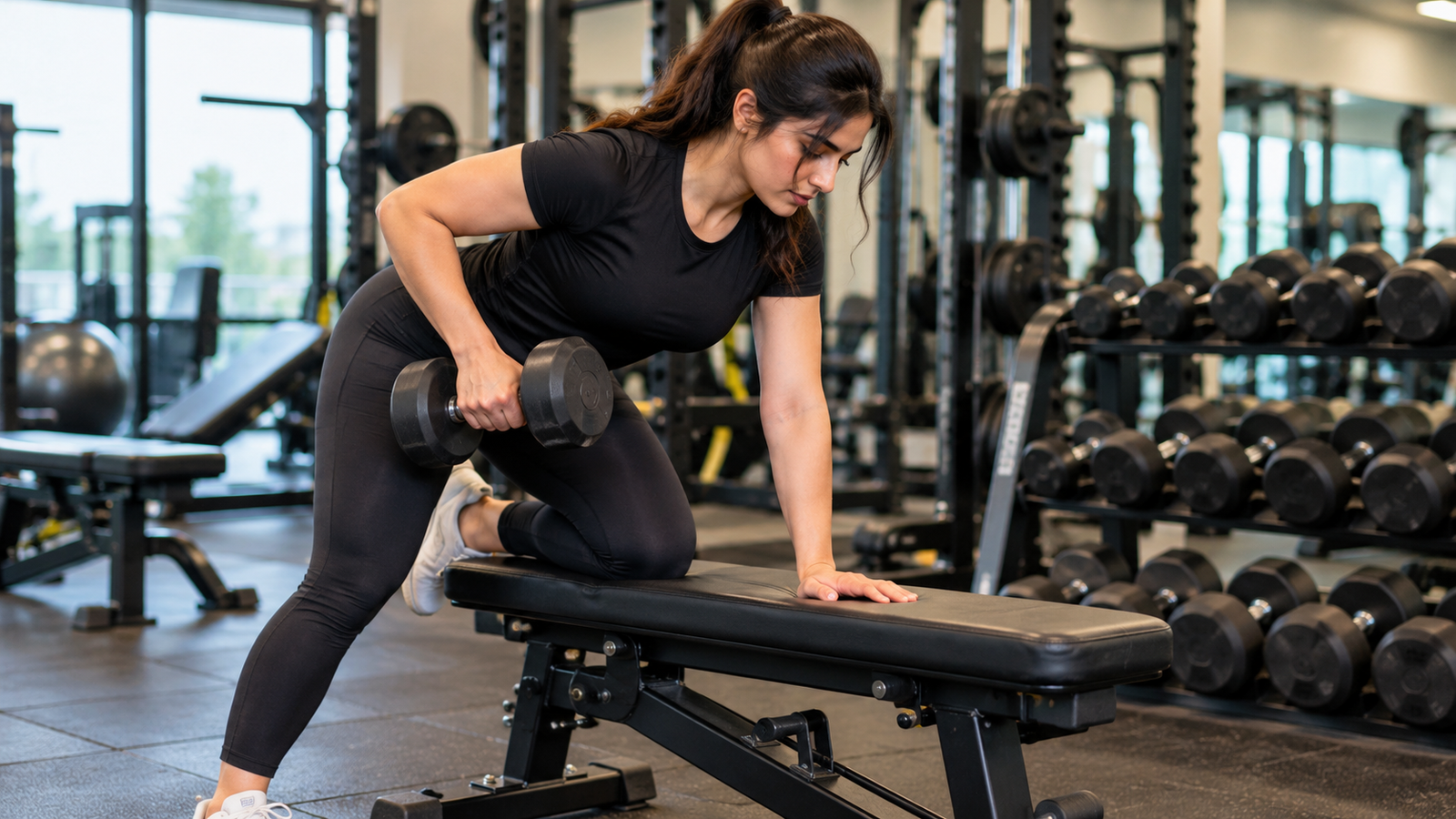
Fitness: Strength training is one of the most effective ways to build muscle, increase endurance, and improve overall health. It benefits people of all ages by strengthening bones, boosting metabolism, and enhancing daily performance. Whether you exercise at home or in a gym, a structured routine delivers lasting results.
What Is Strength Training?
Strength training involves exercises that make your muscles work against resistance. This resistance can come from dumbbells, barbells, resistance bands, kettlebells, or your own body weight. As muscles adapt to the challenge, they become stronger and more resilient.
Consistent training also supports better posture, balance, and joint stability. Combined with proper nutrition and recovery, it contributes to long-term physical fitness.
Fitness: Benefits of Strength Training
Builds Lean Muscle
Regular resistance exercises stimulate muscle growth and improve body composition. More muscle also helps your body burn more calories throughout the day.
Improves Bone Health
Weight-bearing exercises strengthen bones and reduce the risk of age-related bone loss. This makes resistance training valuable for long-term health.
Increases Daily Performance
Strong muscles make everyday activities easier, from carrying groceries to climbing stairs. Improved strength also enhances athletic performance and reduces fatigue.
Supports Mental Well-Being
Exercise releases endorphins that improve mood and reduce stress. Following a regular workout routine also builds confidence and self-discipline.
Best Strength Training Exercises
Squats
Squats target the legs, glutes, and core. They are one of the most effective full-body movements for developing lower-body strength.
Push-Ups
Push-ups strengthen the chest, shoulders, arms, and core without requiring any equipment. Beginners can modify them by performing knee push-ups.
Deadlifts
Deadlifts train the back, glutes, hamstrings, and core. Proper technique is essential for maximizing results and reducing injury risk.
Dumbbell Rows
Dumbbell rows improve upper-body strength by targeting the back, shoulders, and arms. They also support better posture.
Fitness: Tips for Effective Strength Training
Begin each session with a dynamic warm-up to prepare your muscles and joints. Focus on proper form before increasing weight. Gradually increase resistance over time to continue making progress.

Allow muscles sufficient recovery between workouts and include rest days in your schedule. Eat enough protein, stay hydrated, and sleep well to support muscle repair and growth.
Conclusion
Strength training is a powerful way to improve health, increase muscle mass, and boost overall fitness. By following a structured routine, using proper technique, and staying consistent, you can achieve lasting results. Start with basic exercises, challenge yourself gradually, and make strength training a regular part of your healthy lifestyle.
Frequently Asked Questions (FAQs)
1. What is strength training?
Strength training is a type of exercise that uses resistance, such as weights, resistance bands, or body weight, to build muscle strength, improve endurance, and increase overall fitness.
2. How many days a week should I do strength training?
Most beginners should perform strength training 2–3 days per week. Intermediate and advanced individuals can train 3–5 days per week, allowing enough time for muscle recovery.
3. Can beginners start strength training at home?
Yes. Beginners can start at home using bodyweight exercises like squats, push-ups, lunges, and planks. Dumbbells or resistance bands can be added as strength improves.
4. Does strength training help with weight loss?
Yes. Strength training increases lean muscle mass, which boosts metabolism and helps your body burn more calories throughout the day. Combined with a healthy diet, it supports effective weight loss.
5. What equipment is needed for strength training?
You can perform strength training with:
- Dumbbells
- Barbells
- Resistance bands
- Kettlebells
- Weight machines
- Your own body weight
6. How long should a strength training workout last?
A typical strength training session lasts 30–60 minutes, depending on your fitness level, workout intensity, and training goals.
7. Is strength training safe for older adults?
Yes. When performed with proper technique and appropriate resistance, strength training helps older adults improve muscle strength, balance, bone density, and mobility while reducing the risk of falls.
8. Should I do cardio or strength training first?
It depends on your goal. If building muscle and strength is your priority, perform strength training first. If improving endurance is your main goal, cardio can come first.
9. How much protein do I need for strength training?
Most active individuals benefit from consuming 1.2–2.0 grams of protein per kilogram of body weight per day, depending on their training intensity and fitness goals.
10. How long does it take to see results from strength training?
With consistent workouts, proper nutrition, and adequate rest, many people notice improvements in strength within 4–8 weeks, while visible muscle growth may take 8–12 weeks or longer.
Leave a Reply